
Integrative Medicine in Kerala: Combining Modern Oncology & Surgery with Ayurvedic Recovery (2027 Guide)
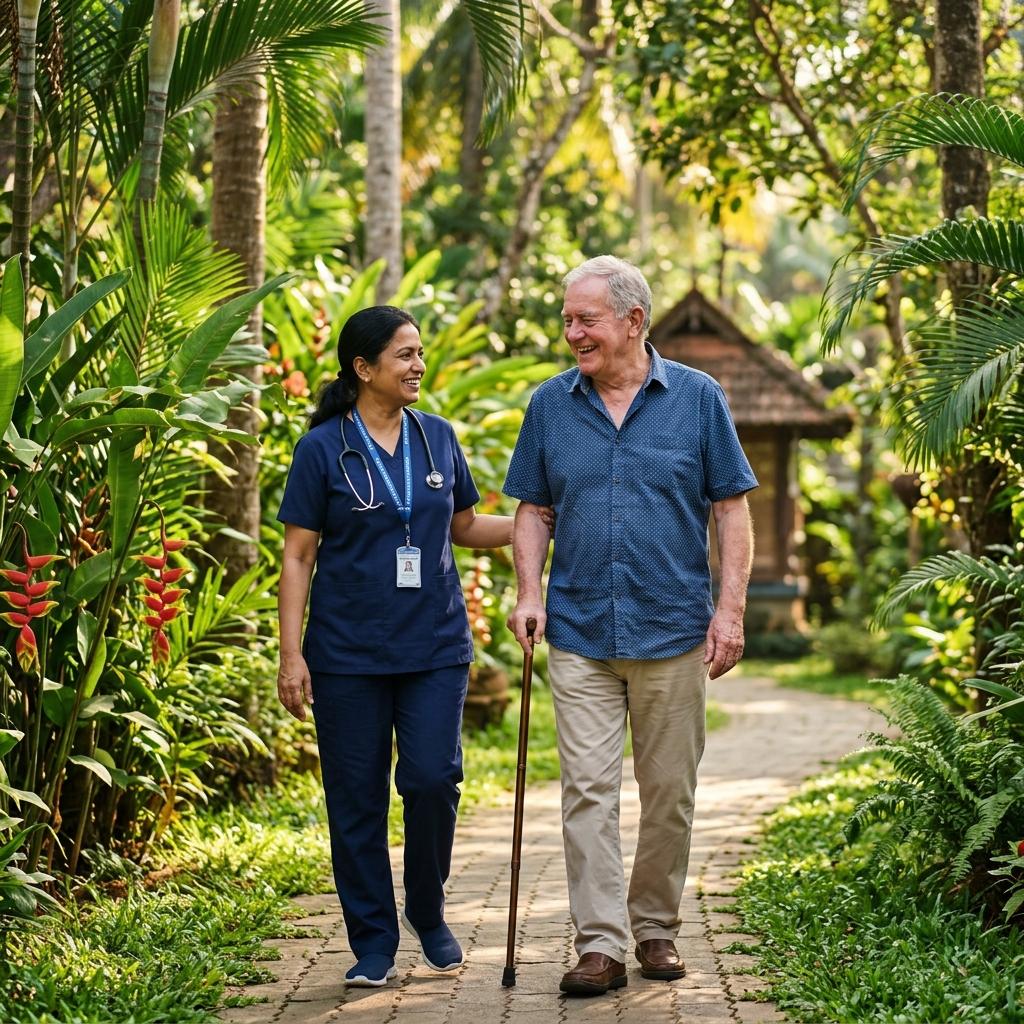
Integrative medicine in Kerala brings together JCI-accredited tertiary oncologists and senior Ayurvedic physicians to deliver dual-pathway patient care. Modern medical interventions (surgery, precision chemotherapy, immunotherapy) eliminate pathology, while individualized Ayurvedic protocols (Rasayana herbs, gentle lymphatic Abhyanga, and specialized gut nutrition) mitigate chemo-induced nausea, peripheral neuropathy, and immune exhaustion, significantly enhancing patient quality of life.
At-a-Glance Highlights
60% – 75% lower than GCC & UK
7 to 18 Days (procedure + post-op)
JCI & NABH Accredited Facilities
100% Free • Arabic Liaison Included
For decades, global healthcare has maintained a strict division between high-technology Western medicine (allopathy) and traditional holistic sciences. Patients battling cancer, recovering from extensive spinal fusions, or healing after major organ surgeries were often forced to choose between clinical interventions or natural healing.
In Kerala, that outdated dichotomy has been replaced by a sophisticated model of evidence-based integrative medicine.
As we enter 2027, Kerala stands as one of the few global healthcare destinations where surgical oncologists and master Ayurvedic physicians (Vaidyas) collaborate under structured clinical protocols. Modern medicine cures the disease; clinical Ayurveda heals the patient.
1. The Dual-Pathway Philosophy: How Integration Works
Integrative healing in Kerala does not replace vital allopathic therapies; rather, it creates a phased continuum of care:
- Phase 1: Modern Clinical Eradication: Tertiary cancer centers (such as Aster MIMS Comprehensive Cancer Center and Meitra Hospital) utilize precision robotic surgery, linear accelerators (TrueBeam radiation), and targeted immunotherapy to resect or arrest malignant pathology.
- Phase 2: Acute Protective Support: During chemotherapy cycles, gentle, non-conflicting Ayurvedic supportive measures (such as herbal rinses for mucositis and ginger-based formulations for anti-emetic support) maintain digestive fire (*Agni*).
- Phase 3: Post-Surgical & Post-Chemo Rehabilitation: Once acute medical therapies conclude, patients transition to specialized clinical Ayurvedic care to rebuild cellular vitality, manage post-chemo peripheral neuropathy, resolve surgical lymphedema, and restore natural immune function (*Ojas*).
2. Key Clinical Applications of Integrative Oncology & Recovery
| Medical Condition / Treatment Phase | Modern Oncological Care in Kerala | Coordinated Ayurvedic Supportive Therapy | Primary Patient Outcome |
|---|---|---|---|
| Post-Chemotherapy Peripheral Neuropathy | Neuro-protective vitamins, symptomatic pain relief | Ksheeradhara (medicated milk pour), specialized herbal oil Abhyanga, Ashwagandha extracts | Nerve regeneration, reduced tingling and numbness in hands and feet |
| Post-Mastectomy Lymphedema | Physical lymphedema bandaging, compression garments | Gentle lymphatic herbal drainage (Udvarthanam / Lepam), anti-inflammatory herbal pastes | Significant reduction in arm swelling, restored shoulder mobility |
| Chemo-Induced Fatigue & Bone Marrow Suppression | Colony-stimulating factors, blood count monitoring | Rasayana immune-modulators (Guduchi, Amalaki, Chyawanprash formulations) | Accelerated white blood cell recovery, restored physical stamina |
| Post-Spine & Joint Surgery Rehabilitation | Physical therapy, NSAIDs, robotic gait training | Kativasthi (warm oil reservoir on lumbar spine), Kizhi herbal poultices | Faster ligament healing, reduced muscle spasms, lower dependence on narcotics |
| Gastrointestinal Disruption Post-Radiation | Anti-diarrheal agents, mucosal protectants | Medicated buttermilk formulations (Takradhara), gut-healing herbs | Restored microbiome, reduced abdominal cramping, enhanced nutrient absorption |
Comparing Surgery Costs or Have Scans?
Get a Senior Surgeon’s Opinion & Quotation.
Send your MRI, CT scans, or doctor summary on WhatsApp. Senior surgical teams at our JCI & NABH accredited hospitals will evaluate your case and prepare an official estimate within 24 hours.
3. Strict Safety Protocols: Avoiding Herb-Drug Interactions
A vital question asked by international patients and their home oncologists is: *Is it safe to take herbs alongside chemotherapy or radiation?*
Kerala’s accredited integrative centers enforce rigorous safety guidelines:
- Zero Antioxidant Conflict During Active Radiation: High-dose herbal antioxidants that might interfere with radiation-induced oxidative killing of tumor cells are strictly paused during active radiotherapy.
- Liver and Kidney Function Monitoring: Regular LFT and KFT blood panels ensure patient metabolic clearance remains uncompromised.
- Standardized, Heavy-Metal-Tested Medicines: Medications prescribed at partner institutions like Kottakkal Arya Vaidya Sala undergo rigorous HPLC chromatography and ICP-MS testing to guarantee zero heavy-metal toxicity.
- Oncologist Clearance: No Ayurvedic therapy is administered without the explicit written review and sign-off of the patient's attending medical oncologist.
4. The Patient Experience: From Modern Hospital to Tranquil Sanctuary
The typical integrative journey in Kerala follows a seamless transition:
- Weeks 1–2 (Hospital Phase): Surgical resection or initial chemotherapy administration at a JCI-accredited super-specialty hospital in Kochi or Calicut.
- Weeks 3–5 (Recovery Sanctuary Phase): Transfer to a physician-led Ayurvedic medical retreat located in quiet backwater or foothills surroundings.
- Daily Regimen: Personalized organic nutrition, gentle therapeutic massages, restorative yoga for lymphatic circulation, and peaceful rest in nature.
- Long-Term Home Regimen: Upon discharge, patients receive a documented 3-to-6-month lifestyle, herbal, and dietary roadmap to maintain remission and vitality.
5. Begin Your Integrative Healing Journey in 2027
Whether you are navigating an oncological diagnosis or seeking deep post-surgical restoration, Kerala offers a scientifically rigorous, compassionate healing model. Contact TreatInKerala to arrange a collaborative case review with our senior oncologists and Ayurvedic directors within 24 to 48 hours.
Frequently Asked Questions (Clinical Answers)
Can Ayurvedic medicine cure cancer by itself?
No. Ethical Ayurvedic master physicians and medical oncologists agree that clinical Ayurveda does not replace necessary oncological surgeries, chemotherapy, or radiotherapy. Its proven role is supportive and restorative: protecting organ vitality, mitigating debilitating side effects, and restoring post-treatment immune defense.
How does TreatInKerala coordinate between oncologists and Ayurvedic physicians?
TreatInKerala organizes joint multi-disciplinary tumor board reviews where senior oncologists and clinical Ayurvedic Vaidyas review your medical history together, ensuring all complementary treatments are timed safely and documented in your medical chart.
Are hospital and retreat environments in Kerala suitable for immunocompromised patients?
Yes. JCI-accredited partner hospitals maintain ultra-clean HEPA-filtered isolation rooms, while vetted post-treatment retreats provide private sanitized villas, pure distilled water, and strictly hygienic organic meal preparation overseen by medical dieticians.
Need details for your condition?
Share your records with our panel doctors and receive a free estimate within 48 hours.